
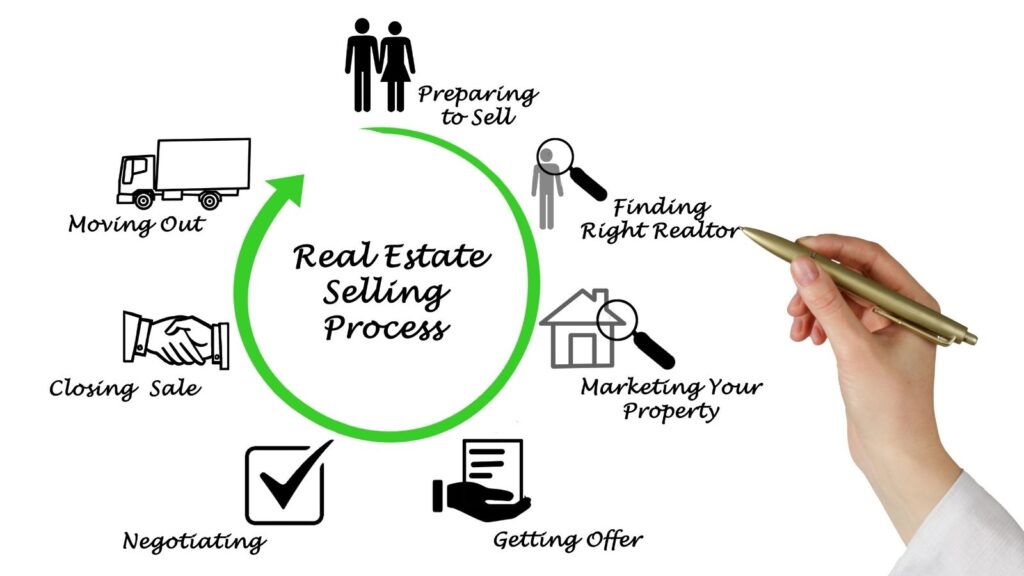
Selling a home is a major decision that involves both practical steps and emotional considerations. Whether you are moving to a new city, needing more space, or downsizing, the process can feel overwhelming without a clear plan. Understanding each stage helps reduce stress and provides a sense of control. From deciding to sell to handing over the keys at closing, every step requires preparation, patience, and good communication. With the right guidance, selling your home can be an organized and rewarding experience that supports your next chapter in life.
Deciding the Right Time to Sell
The first step in the home-selling process is determining if now is the right time for you and your family. Life events such as career changes, growing families, or retirement often influence this decision. Market conditions also play an important role. When home prices are rising or buyer demand is strong, you may be able to secure a higher selling price. Conversely, if the market is slower, you may need to weigh the benefits of waiting against your personal timeline. Reviewing your current mortgage balance, home equity, and financial goals helps clarify whether selling now makes sense.
Another factor to consider is seasonality. In many markets, spring and summer see higher buyer activity, which can translate into faster sales and potentially better offers. However, fall and winter may bring more serious buyers who are motivated to purchase quickly. Beyond timing, it is helpful to think about your next steps after the sale. Do you already have another property in mind, or will you need temporary housing? Planning ahead prevents unexpected stress later.
Speaking with a trusted real estate professional early in this process can provide a clearer picture of market trends, expected timelines, and strategies that align with your goals. With this information, you can decide confidently whether selling your home now will best serve your financial and personal needs.
Preparing the Home for Buyers
Once the decision to sell is made, the next step is preparing the home for potential buyers. First impressions matter, and a well-prepared home can stand out in a competitive market. Start with decluttering, as too many personal belongings can make it difficult for buyers to imagine themselves living there. Removing excess furniture and organizing closets gives the impression of spaciousness. A deep cleaning, including carpets, windows, and baseboards, adds to the fresh feel.
Small improvements can make a noticeable impact. Repainting walls in neutral colors, updating outdated fixtures, and fixing leaky faucets or squeaky doors show that the home has been cared for. Outside, curb appeal sets the tone before buyers even step through the door. Fresh mulch, trimmed hedges, and a clean entryway create a welcoming impression. If budget allows, consider professional staging. Stagers know how to highlight a home’s best features through furniture placement and décor, making it more appealing in photos and in person.
Lighting also plays a big role. Open blinds and turn on lights before showings to ensure every room feels bright and inviting. Scent is another subtle but important detail. Avoid strong fragrances, but make sure the home smells clean and pleasant. Pets should be managed carefully, as odors or fur can turn buyers away.
Taking the time to prepare your home before it hits the market increases the chances of receiving strong offers quickly. Buyers often equate the condition of a home with how well it has been maintained, so that these efforts can build trust and confidence in your property. The better your home looks and feels, the more likely buyers will connect with it on a personal level.
Setting the Right Price
Pricing your home correctly is one of the most important steps in the selling process. A price that is too high can cause the property to linger on the market, while one that is too low may mean leaving money on the table. To determine the right number, many sellers rely on a comparative market analysis. This report reviews recent sales of similar properties in the area, taking into account size, location, features, and condition. An experienced real estate professional can provide this analysis and explain how your home compares.
Market trends also play a role in pricing. In a seller’s market, where demand is high and inventory is low, homes may sell quickly and for more than the asking price. In a buyer’s market, where there are many homes available, pricing competitively is even more important to attract attention. Beyond market data, sellers should also consider their own financial needs. Reviewing the remaining mortgage balance, anticipated moving expenses, and potential costs of buying another home helps shape the pricing strategy.
Some sellers may feel tempted to start high, thinking they can always reduce the price later. However, homes that sit on the market too long can create a perception that something is wrong with the property. Setting the right price from the beginning helps create momentum and encourages more buyers to view the home.
Being open to professional guidance ensures that your home is priced strategically to achieve the best results. A well-priced property draws interest, encourages multiple offers, and often leads to a smoother transaction. Getting this step right from the start sets the tone for the rest of the selling process.
Marketing the Property
Once the home is prepared and priced, the focus turns to marketing. Effective marketing ensures that as many potential buyers as possible see the property, both online and in person. Professional photography is one of the most valuable investments a seller can make. High-quality images highlight the home’s best features and help it stand out in online listings, where most buyers begin their search. Virtual tours and video walkthroughs can also give buyers a feel for the home before scheduling a showing.
An online presence is essential. Listings should appear on major real estate websites and be optimized with detailed descriptions, accurate information, and clear photos. Social media platforms provide another way to reach potential buyers, allowing for targeted advertising that connects with the right audience. Some agents may also use email campaigns, brochures, and direct mail to spread the word.
Alongside digital marketing efforts, open houses and private showings provide buyers with the opportunity to personally view and evaluate the property. Staging, lighting, and cleanliness are just as important during these visits as they are in photos. For out-of-town buyers, virtual open houses can provide convenient access.
The goal of marketing is to showcase the home in the best possible light while reaching the widest audience. A thoughtful and multi-layered marketing strategy increases visibility, generates excitement, and brings in more offers. With the right approach, your home can capture the attention of buyers quickly, creating momentum that helps drive a successful sale.
Reviewing and Negotiating Offers
When offers begin to arrive, it can feel exciting and overwhelming at the same time. Each offer includes more than just the purchase price, so reviewing all the terms carefully is essential. Contingencies such as financing, inspections, and appraisals can impact how smoothly the transaction moves forward. Closing timelines, deposit amounts, and requests for repairs may also factor into the decision.
While the highest price might seem like the best choice, it is not always the strongest offer. For example, a cash buyer who waives certain contingencies may provide greater certainty than a financed offer that comes in slightly higher. Evaluating the stability of the buyer’s financing and their level of commitment helps determine which offer carries the least risk.
Negotiation is often part of this stage. Sellers may choose to counter an offer by adjusting the price, closing date, or terms. A real estate professional can help interpret offers, explain their implications, and guide you through the negotiation process. Patience is key, as both sides aim to reach an agreement that feels fair.
Once you accept an offer, the home moves into contract status. While negotiations can feel stressful, they are also a sign of progress toward the ultimate goal: transferring ownership. Approaching this step with flexibility and clear communication helps ensure a positive outcome and positions you for a smooth transition into the next phase.
Inspections and Appraisals
After a home goes under contract, the buyer typically arranges for inspections. A home inspection evaluates the condition of major systems, such as plumbing, electrical, heating, and the roof. Inspectors may also point out maintenance issues or potential concerns that need attention. Buyers often request repairs or concessions based on these findings, and sellers must decide how to respond.
Negotiating inspection results can feel challenging. While you may not want to invest heavily in repairs, addressing reasonable concerns shows good faith and helps keep the deal intact. Offering repair credits or arranging for professional fixes are common solutions.
An appraisal is another step in this phase, especially if the buyer is using a mortgage. The lender requires an appraisal to confirm the home’s value matches the purchase price. If the appraisal comes in lower than expected, further negotiation may be necessary. Sometimes sellers reduce the price, while in other cases buyers increase their down payment to make up the difference.
Though inspections and appraisals can create tension, they are safeguards that benefit both sides. Buyers gain confidence in the home’s condition, and sellers demonstrate transparency and integrity. Being prepared for this step and responding promptly to requests keeps the process moving forward and builds trust between all parties involved.
The Closing Process
Closing is the final stage of selling a home. During this step, all the legal and financial details are finalized. A title company or attorney typically oversees the process, ensuring that ownership transfers correctly and all obligations are met. Before closing, the buyer’s lender prepares loan documents, and both parties receive a settlement statement outlining costs.
Sellers may need to provide documentation such as identification, keys, and proof of completed repairs. Closing costs for sellers can include agent commissions, title fees, and any agreed-upon concessions. Reviewing these details ahead of time helps avoid surprises. On closing day, both buyer and seller sign the necessary paperwork, and funds are transferred.
Once everything is complete, the buyer receives the keys, and the home officially changes ownership. For sellers, this moment marks the end of one chapter and the start of another. Whether you are moving locally or across the country, closing represents the successful completion of the selling process.
Staying organized, responsive, and informed throughout the transaction makes closing a smooth and positive experience. With preparation, the final step is simply a celebration of a successful sale and a chance to move confidently into your next stage of life.
Moving Forward After the Sale
After closing, attention shifts to moving and settling into your new living arrangements. This may involve coordinating movers, forwarding mail, and transferring utilities. Some sellers choose to rent temporarily before purchasing again, while others move directly into a new property. Creating a checklist ensures no important tasks are overlooked.
Financially, sellers often use the proceeds from their sale toward a new purchase, debt reduction, or investments. Reviewing your financial plan after the sale helps align this transition with your long-term goals. Emotionally, leaving a home behind can be bittersweet. Taking time to reflect on the memories made there and focusing on the opportunities ahead can ease the adjustment.
Staying in touch with your real estate professional is also helpful. They can provide guidance on buying your next home, market updates, or even referrals if you are relocating to a new area. A successful sale not only closes one door but also opens the next, creating new possibilities for you and your family.
By planning for the move and looking ahead, you can turn the conclusion of the selling process into an exciting beginning filled with fresh opportunities and new experiences.
Ready to Sell Your Home
Selling a home involves many steps, but with the right preparation and support, it can be a smooth and rewarding process. From deciding the best time to sell, preparing your home, and setting the right price, to negotiating offers and completing the closing, each stage builds toward a successful transition. When you are ready to sell, reach out to discuss your goals and the best strategy for your property. Together, we can make your next move a confident and successful one.